You have a product to launch.
Turn an idea into a useful first version. We help shape the product, design the experience and build the application around what your users actually need.
Custom software development & consulting
A new product. Better internal tools. An application your team has outgrown. We help you decide what to build, then bring the engineering team to make it work.

What we build
Start with the problem. We’ll help define the scope, choose the right approach and turn it into working software.
Turn an idea into a useful first version. We help shape the product, design the experience and build the application around what your users actually need.
Replace the spreadsheet handoffs and disconnected systems that slow people down. Build internal software that fits how your business works.
Find the repetitive work worth automating, then build AI into a real workflow, with clear checks, human review and a reason to use it.
Add capabilities, untangle technical problems or bring extra engineering capacity to an existing product. We can work alongside your team or take on a defined project.
What to expect
Discovery
A short, fixed fee
Work out what’s worth building. You get a scope, an estimate and a timeline you can take to your team, whether or not we build it.
Defined project
A project fee
Quoted once the scope is agreed, with a timeline attached. You see working software early, not at the end.
Ongoing engineering
A monthly arrangement
A set number of days each month to keep building, fix what breaks and plan what comes next. Pause or stop with a month’s notice.
Quotes in Canadian dollars, before tax. We agree the number before any work starts.
The work
Two examples to show the kind of work we do: a client project and a product of our own. There’s more where these came from, so ask about projects closer to yours.
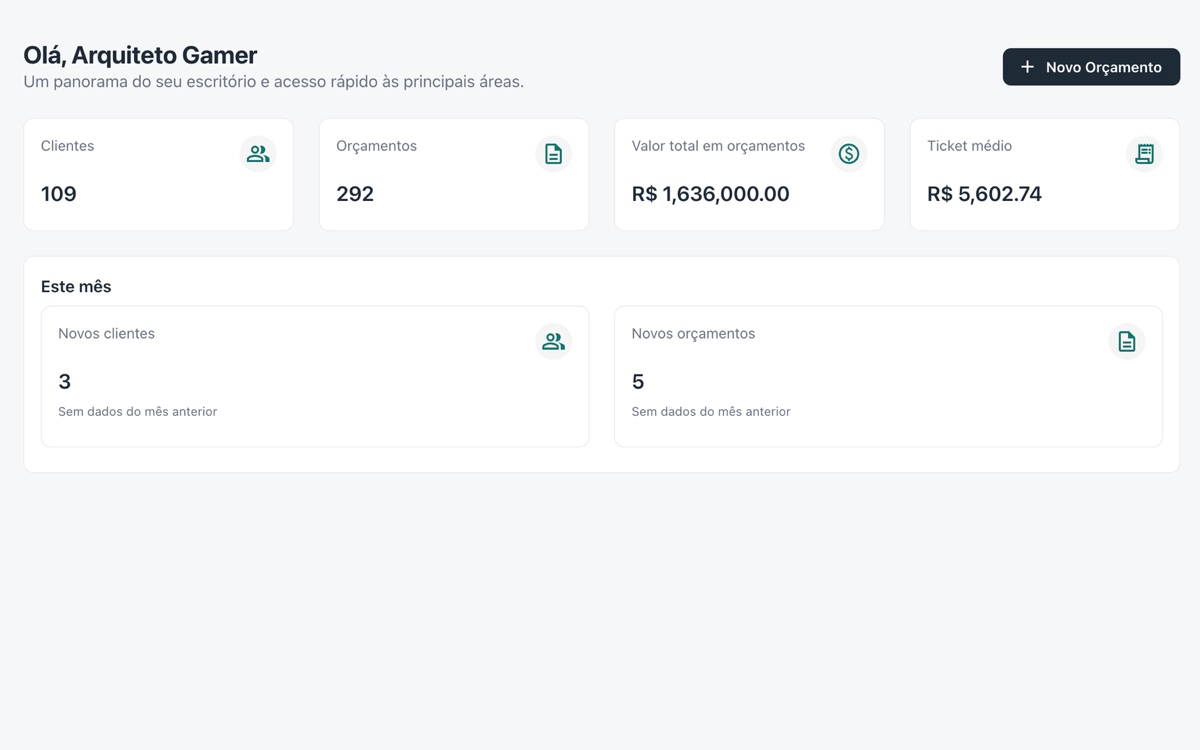
Client project · Web app
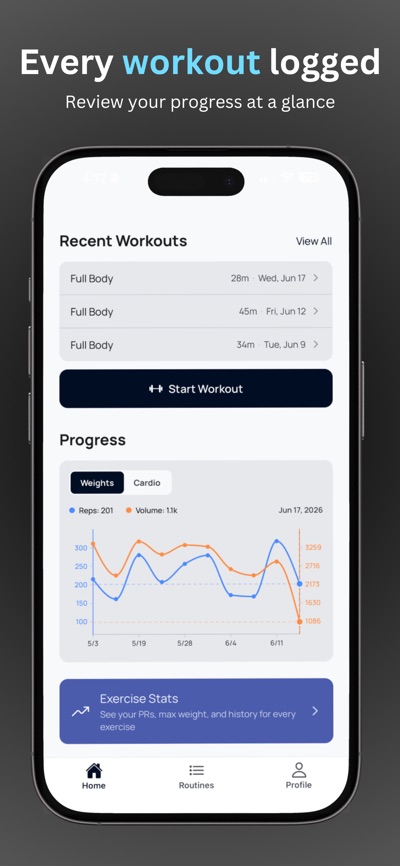
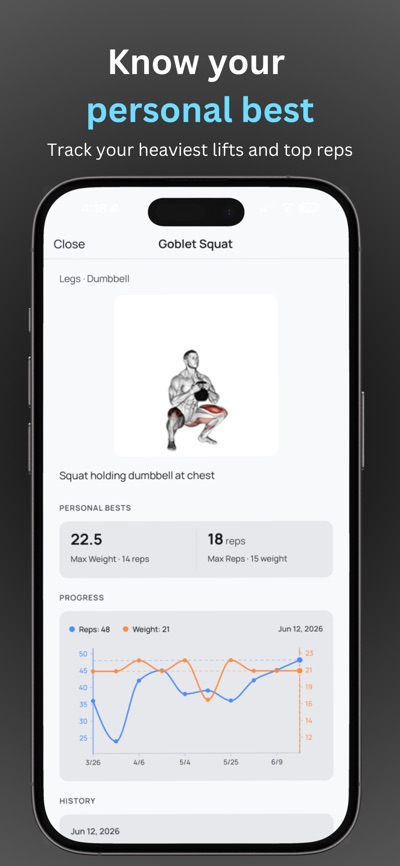
Our own product · iPhone
How we build software together
You bring the context. We bring hands-on engineering experience and a practical way to move the work forward.
Tell us what you’re working onWe talk through who will use the software, what needs to change and what constraints you’re working with. The first question is what’s worth building.
Agree on the scope, priorities and price before the build. Start with the part that will teach us the most or make the biggest difference.
See working software early, not at the end. Give feedback directly to the team, so decisions stay close to the people making them.
Hand over clear code and documentation that any developer can pick up, or keep building together as your product and business evolve.
Software project questions
Custom applications, new software products, internal business tools, AI integrations and substantial improvements to existing software. Our focus is software that serves a business need, rather than small brochure websites or standalone landing pages.
It depends on the work. Discovery is a short fixed-fee piece of work. A defined project is quoted as a project fee once the scope is agreed. Ongoing engineering is a monthly arrangement for a set number of days. Prices are in Canadian dollars, before tax, and we agree the number before any work starts.
It depends on the scope, so we give you a timeline with the quote. We start with the part that teaches us the most or makes the biggest difference, so you see working software early rather than at the end.
No. Start with the problem, who it affects and what you want to change. If you already have designs or a specification, bring them along.
We’re not tied to one stack. We choose what fits the product and the people who will maintain it, and if you already have a codebase we work in it. Either way you get clear code and documentation that another developer could pick up.
You do. Code, designs and documentation are yours, kept in your own accounts and repositories wherever possible. We sign NDAs, build with sample or approved data, and keep production data in your systems.
Yes. We can work alongside your team on an existing product or take on a defined piece of work. We’ll agree on responsibilities and how to collaborate at the start.
Let’s start with a conversation
Bring us the problem, the current software or the idea you want to explore. We’ll discuss scope, priorities and a sensible next step.